About us
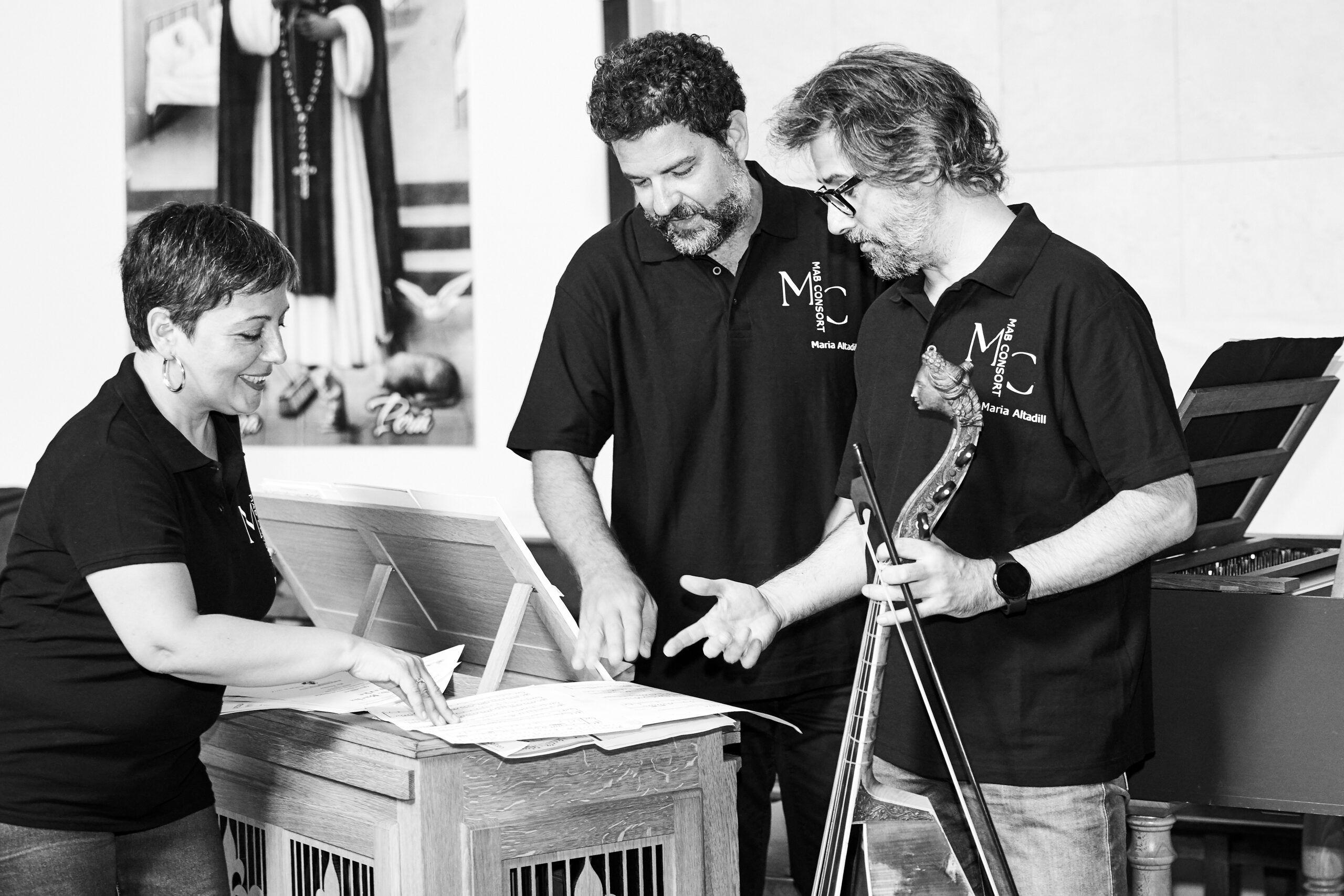
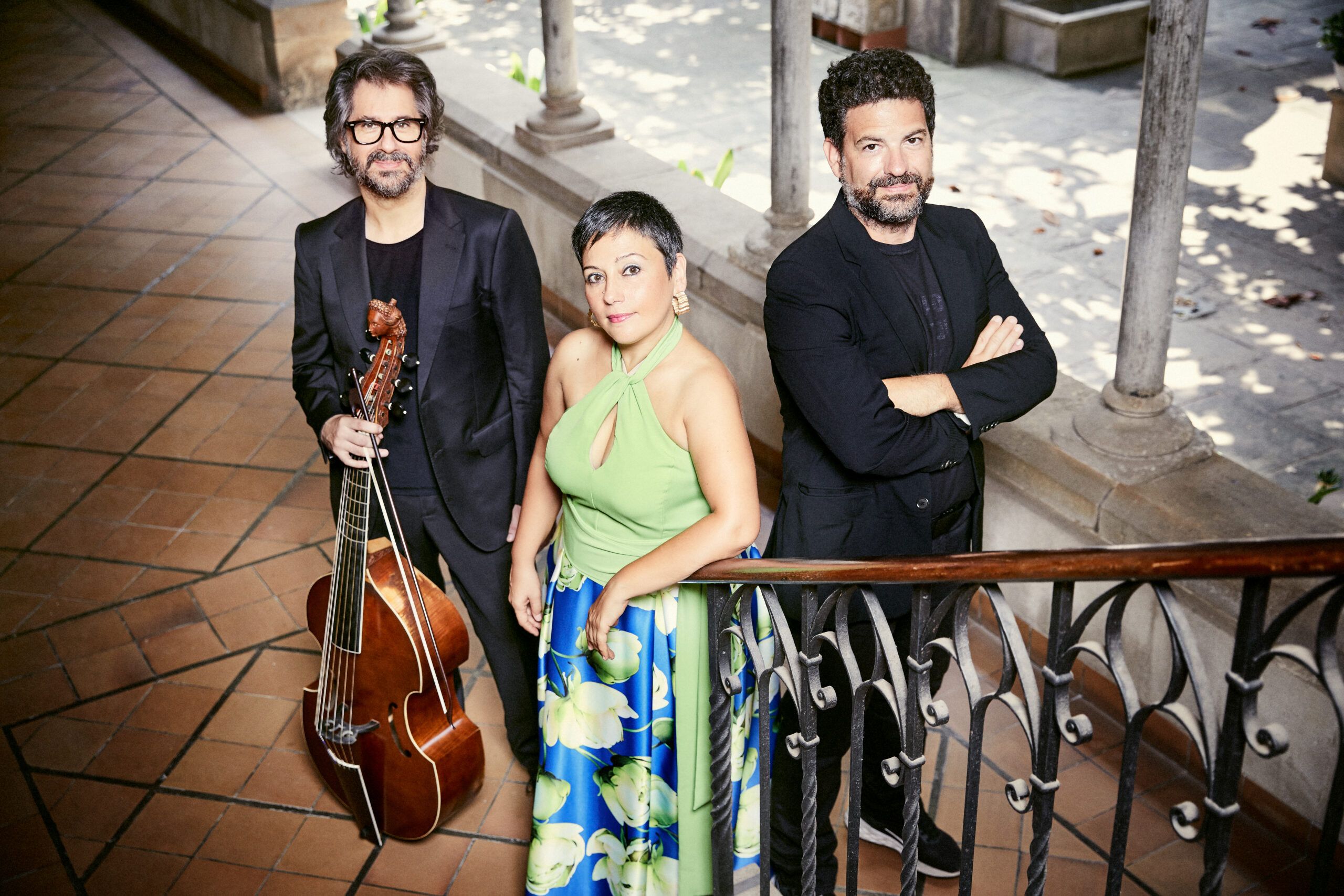
MAB Consort was born from a passion for interrelating music with different forms of expression, such as literature and painting, within a historical and artistic framework.
Founded by Maria Altadill, the consort brings together musicians, actors, writers, and other artists specializing in historical performance, within an innovative and inclusive approach.
Biography of Maria Altadil
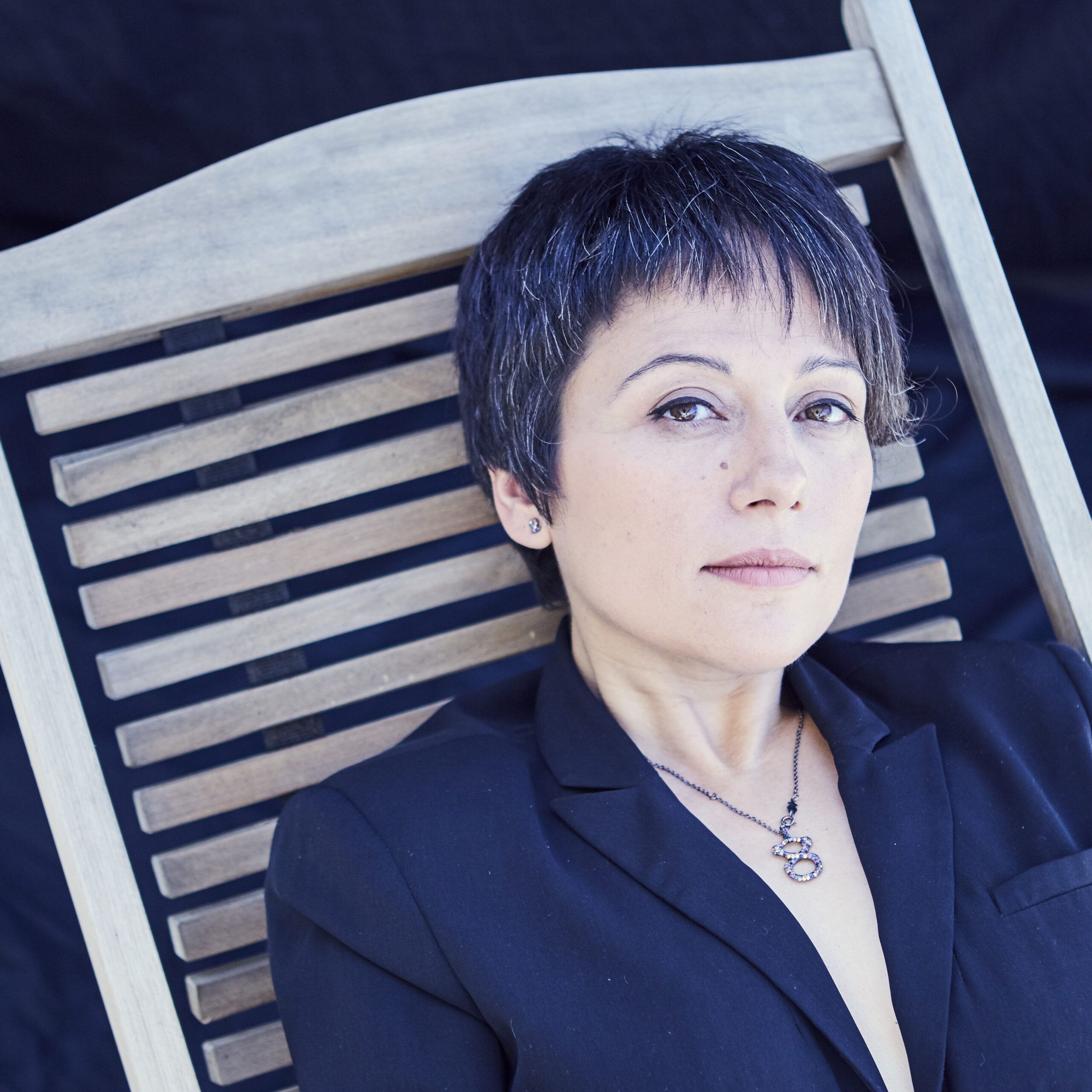
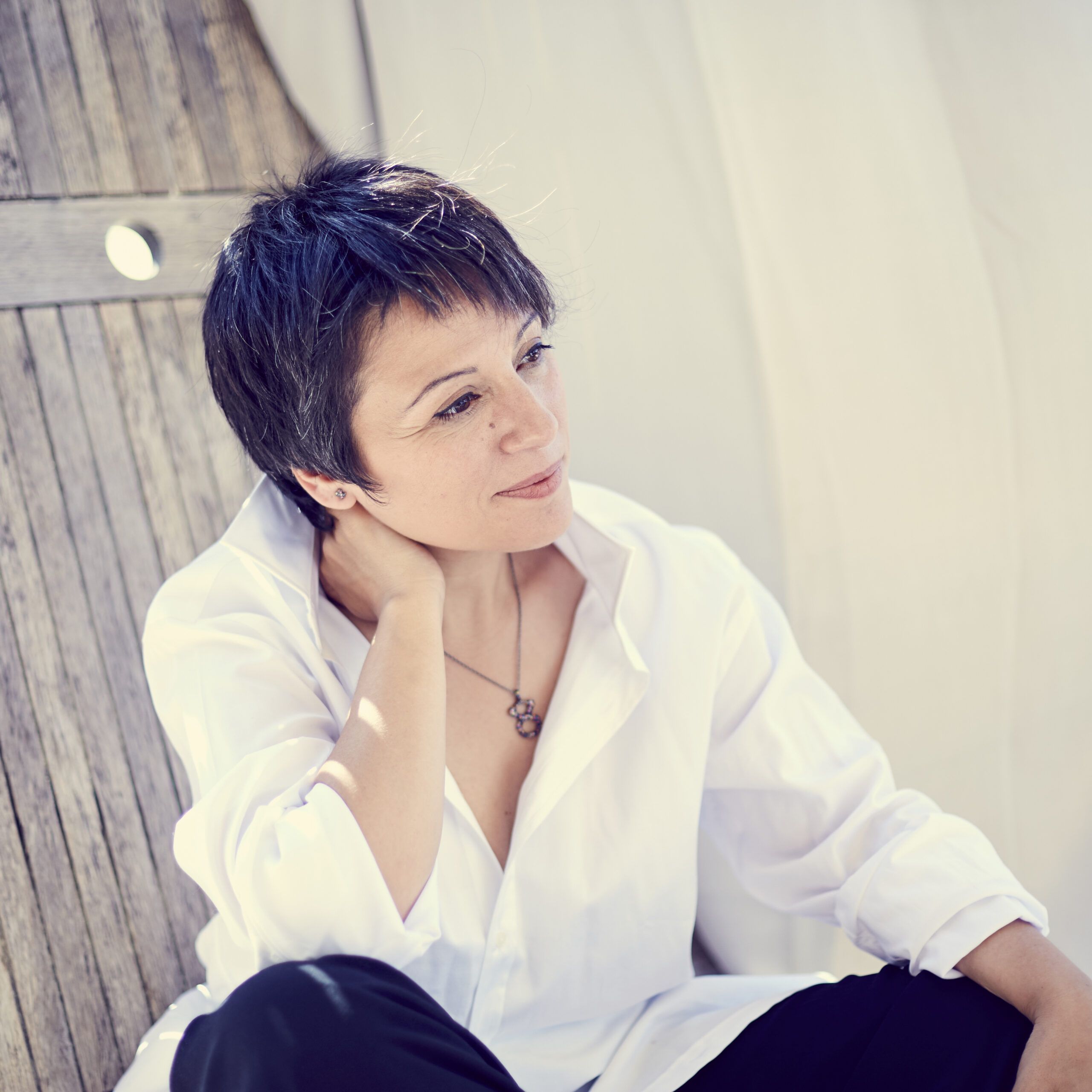
Maria Altadill obtained her Professional Vocal Diploma from the Tarragona Conservatory in 1998. That same year, she entered the Schola Cantorum Basiliensis (Switzerland), where she specialized in Renaissance and Baroque music for two years with Professor Richard Levitt, participating in several masterclasses and projects directed by A. Marco, Bötticher, C. Banchini, O. Ghiglia, S. Azzolini, and others.
From 2000, she continued her vocal studies at the same Musikhochschule with Kurt Widmer, obtaining her Bachelor’s degree in 2003. She subsequently furthered her studies with Michelle Moser, Heidi Wölnerhansen, Enriqueta Tarrés, and Ángel Soler.
She has sung as a soloist at European and South American festivals, under the direction of Nicolás de Figueiredo, Bruce Dickey, Charles Toet, Anthony Rooley, and as a member of the ensembles Cantus Figuratus directed by Dominique Vellard and I Suonatorio de S. Le Tierno Amour, Los Músicos de La Altesa Orchester de Schola Cantorum Basiliensis, Orquesta Julià Carbonell de las Tierras de Lleida… And in various operatic productions at the Opera Studio de Ginebra, at the Stadt Theater de Basel.
She has recorded for Swiss radio and television (SF2 and DRS2), Portuguese radio (RTP-Antena 2), RTVE and Catalunya Ràdio (Catmúsica), as well as for the record labels Syntagma Musicum and Christophorus.
In 2004, she co-founded Il Labirinto Musicale with Simone Gullì, an ensemble that won First Prize and the Audience Prize that same year at the prestigious Calabria Early Music Competition (Italy). In 2005, she received an award at the Festival van Vlaandern Brugge (Belgium) in the soloist category.
Her work with ILERDA ANTIQUA as a producer and director began in 2010 with a collaboration with the Department of Art History at the University of Girona on a project about the work of Caravaggio. It is worth highlighting the production of the show AMORS & HUMORS, directed by Pep Planas and Abel Folk, and with AXIVIL GOYESCO, in 2021, in the events commemorating the 275th anniversary of Goya’s birth, in the city of Zaragoza.
She has recorded for Swiss radio and television (SF2 and DRS2), Portuguese radio (RTP-Antena 2), RTVE and Catalunya Ràdio (Catmúsica), as well as for the record labels Syntagma Musicum and Christophorus.
In 2004, she co-founded Il Labirinto Musicale with Simone Gullì, an ensemble that won First Prize and the Audience Prize that same year at the prestigious Calabria Early Music Competition (Italy). In 2005, she received an award at the Festival van Vlaandern Brugge (Belgium) in the soloist category.
Her work with ILERDA ANTIQUA as a producer and director began in 2010 with a collaboration with the Department of Art History at the University of Girona on a project about the work of Caravaggio. It is worth highlighting the production of the show AMORS & HUMORS, directed by Pep Planas and Abel Folk, and with AXIVIL GOYESCO, in 2021, in the events commemorating the 275th anniversary of Goya’s birth, in the city of Zaragoza.
In feminine
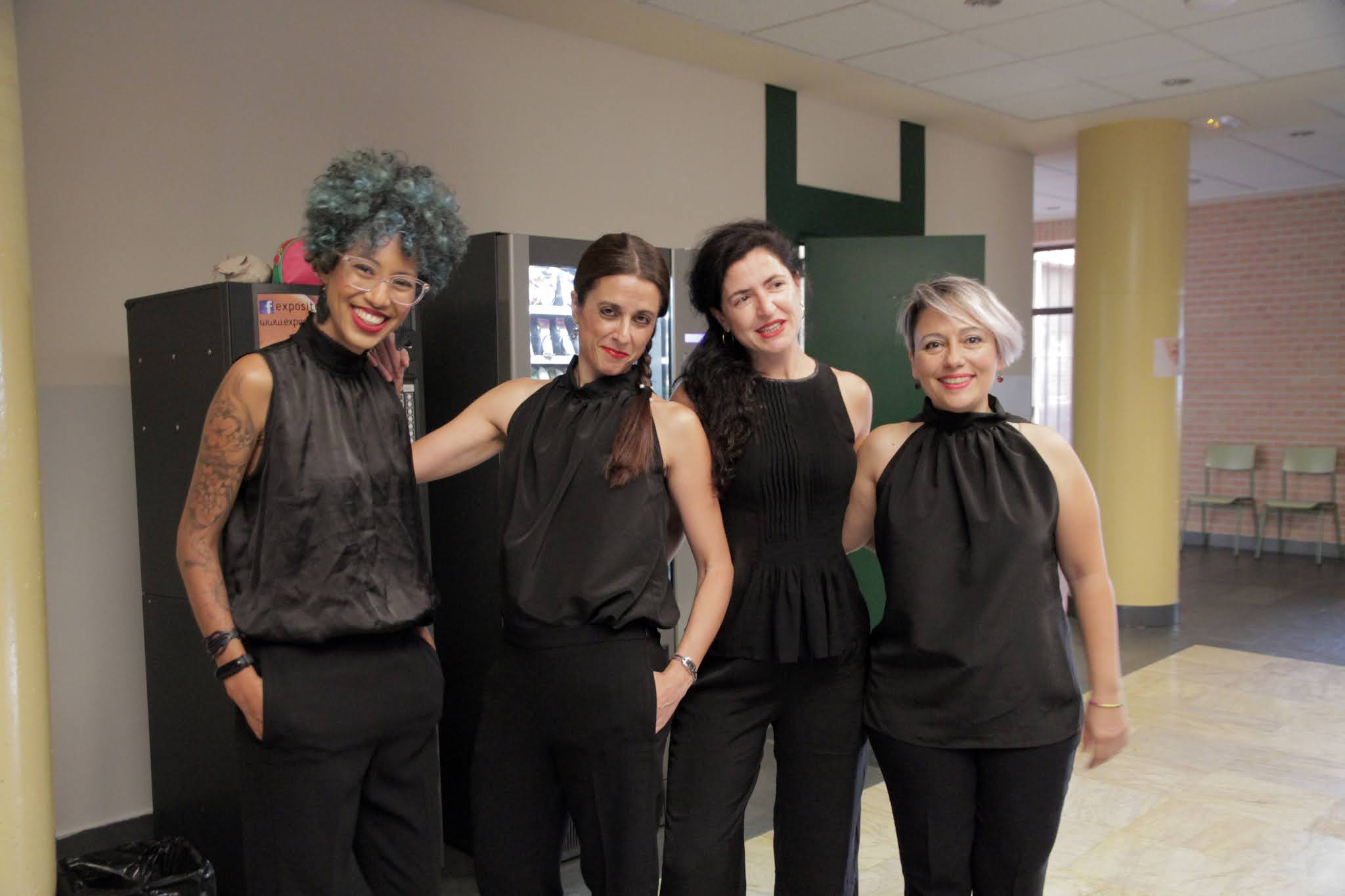
AVE EVA
“One is not born, but rather becomes, a woman.” Simone de Beauvoir, The Second Sex (1949).
One of the group’s aims is to bring to light the work of Baroque female composers, who are little known and underappreciated in history. Various research processes have led us to create a performance in which we will narrate the “achievements” of individual women, leading us to what we now call feminism. This struggle for gender equality was sometimes rejected by a patriarchal society where women’s place was limited to the world of politics and thought.
AVE EVA is a show that celebrates the figure of the female artist and thinker throughout history. It tells individual stories of personal triumph, tracing the evolution of women’s lives and achievements to what we now know as Feminism, using thought, words, science, and music as tools for empowerment, as is the case here. Premiered on July 31st at the INTERNATIONAL FESTIVAL OF THE CAMINO DE SANTIAGO, it featured works by Hélène de Montgerault, Antonia Bembo, Holdegard von Bingen, and others, as well as texts and biographies of Christine de Pisan, Saint Teresa of Ávila, and even women’s associations and Beauvoir.
CAMINS DE FADA
Fairy Paths aims to be a journey through literature and music, delving deeper into our identity. We speak and sing of women who paint the corners of our existence and our lives, women who often go unnoticed and suffer our shortcomings, strong and whole women whom we discover within the pages of our culture and who give essence to who we are.
We explore different literary currents with a program based on texts by various authors from the late 19th and early 20th centuries, featuring compositions by Frederic Mompou, Luisa Casagemas, Alicia de Larrocha, and Eduard Toldrà.
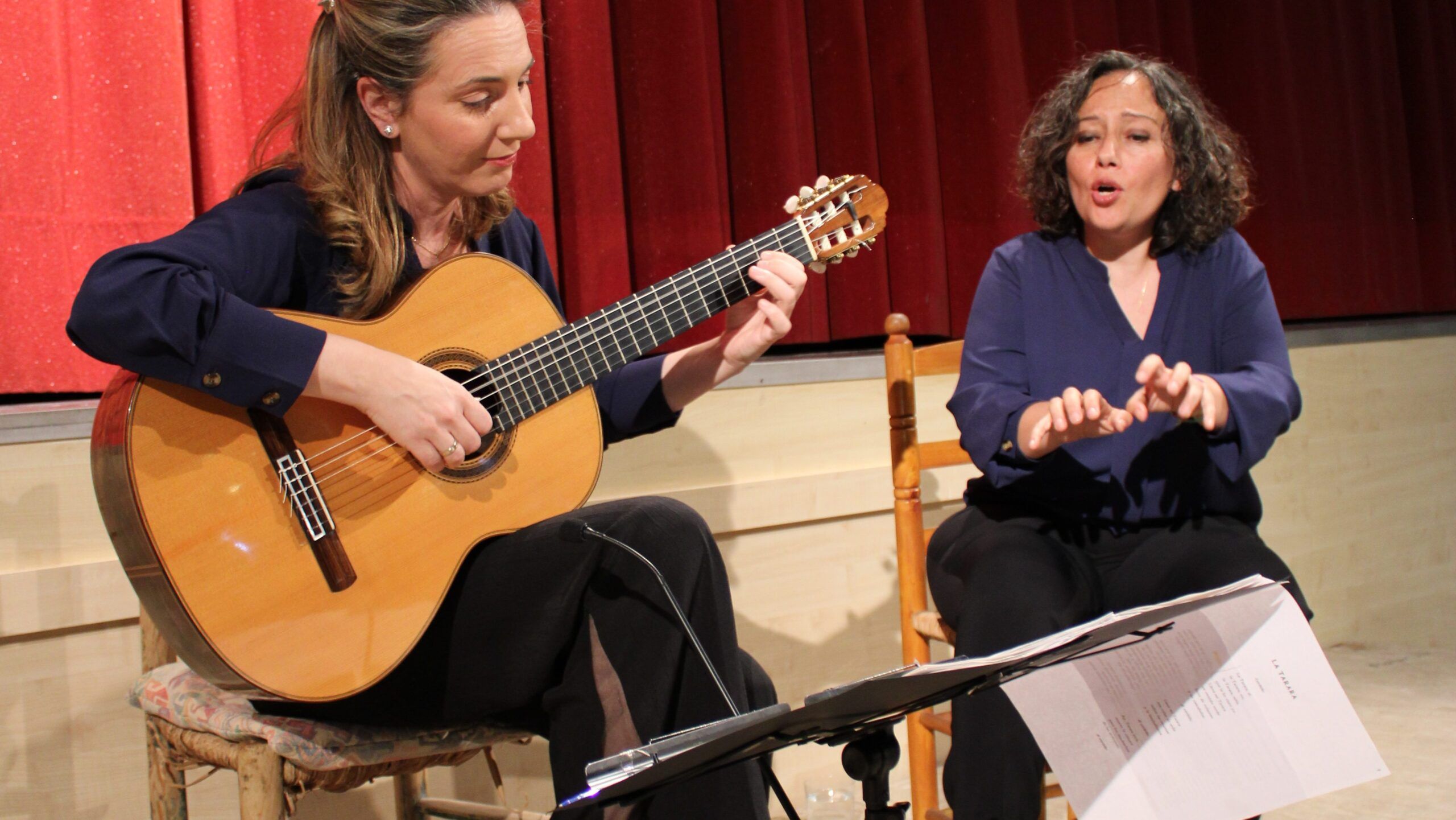
CAMINS DE FADA
Fairy Paths aims to be a journey through literature and music, delving deeper into our identity. We speak and sing of women who paint the corners of our existence and our lives, women who often go unnoticed and suffer our shortcomings, strong and whole women whom we discover within the pages of our culture and who give essence to who we are.
We explore different literary currents with a program based on texts by various authors from the late 19th and early 20th centuries, featuring compositions by Frederic Mompou, Luisa Casagemas, Alicia de Larrocha, and Eduard Toldrà.
LA DAMA EN EL CAMINO
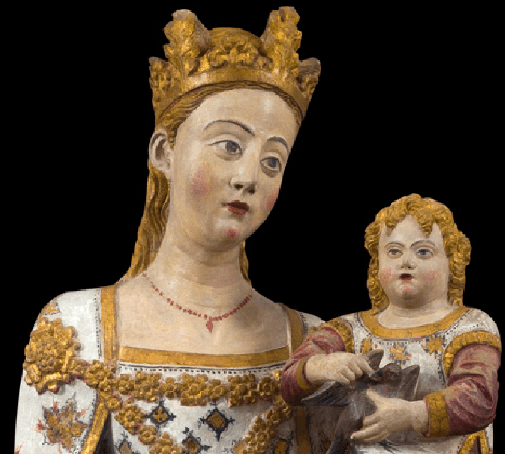
The Cantigas de Santa María (13th century) and the Red Book of Montserrat (14th century) are entirely dedicated to the Virgin Mary, as is a very high percentage of the works in the Las Huelgas Codex (which, although compiled in the 14th century, gathers much earlier works).
These three collections, treasured by Spain, are fundamental to understanding the musical development of Medieval Europe and show how Marian devotion has been a constant source of inspiration for the creation of varied and beautiful melodies.
The hymn Ave Maris Stella, the ancient Santa María, stella del día (works with which we begin this concert), shows us that the figure of the Virgin is always a constant, as a guide and protector on the pilgrim’s journey to the different pilgrimage sites… But the path is also filled with songs of other women who sing of courtly love, or of carnal love.
The program is a sample of the music that a pilgrim might have experienced on the Camino.